Thanks to support from the SSI Emerging Voices award and the OSPARK organisers, I spent the last week of April in Belfast attending two events: the OSPARK bootcamp and the Software Sustainability Institute’s Collaborations Workshop (CW26). I applied to them for completely different reasons, but by the end of the week, I found myself thinking about many of the same questions.
OSPARK: learning to communicate with intention
The OSPARK Bootcamp was organised by the Digital Research Academy and Open Life Science (OLS). The programme focuses on outreach, marketing, and visibility for open research initiatives and it’s designed for people who find themselves championing projects or communities and need to communicate their value more effectively.
I applied because communication has quietly taken over more of my working life than I’d planned, and I wanted to understand it deliberately rather than continuing to wing it. My background in comms is diverse: I have spent years volunteering as a science communicator, had a brief stint in communications and advertising after graduating in 2019, and more recently have taken on social media responsibilities for larger projects. But realistically, enthusiasm and this little experience here and there can only carry me so far.
The bootcamp ran over six weeks. Each week, we worked through a workbook, met with an assigned buddy, and joined a group discussion led by an expert facilitator.
The buddy system worked better than I expected. I was a bit sceptical at first, but it really grew on me. My buddy was working on a project serving a similar geographical region, so our check-ins rarely stayed at the level of “how is this going?” We got into actual problems: how to reach audiences who don’t already know they need what we’re building because they probably do not have access to tools or devices to access that information, how to communicate impact when the metrics are slow to arrive or how to merge on-the-ground efforts with online ones as people from this side of the world gravitate more towards in-person activities. Having someone who understood the same constraints made those conversations useful.
The Belfast on-site workshop took an unconference approach. We pitched topics we wanted to discuss and then formed groups around shared interests. I joined a group focused on content strategy and visual communication for open science communities. We spent a lot of time discussing questions that most communities eventually run into: How do people find you? How do you keep them engaged? How do you remain relevant when both the community and its members are constantly changing?
On the second day, we took part in a case study exercise designed to help us apply what we had learned throughout the bootcamp. We were reshuffled into new groups and given a challenge to work through using structured problem-solving approaches. Our group used a technique called reverse brainstorming. Instead of asking how to solve the problem, we started by asking how we could make it worse. We came up with increasingly terrible ideas, from inaccessible websites and non-existent communication plans to actively discouraging potential collaborators. Once we had thoroughly broken everything, it became much easier to identify the practical steps needed to build a healthy and sustainable outreach strategy. The approach honestly sounded slightly absurd at first but it turned out to be surprisingly effective.
A few days in Scotland
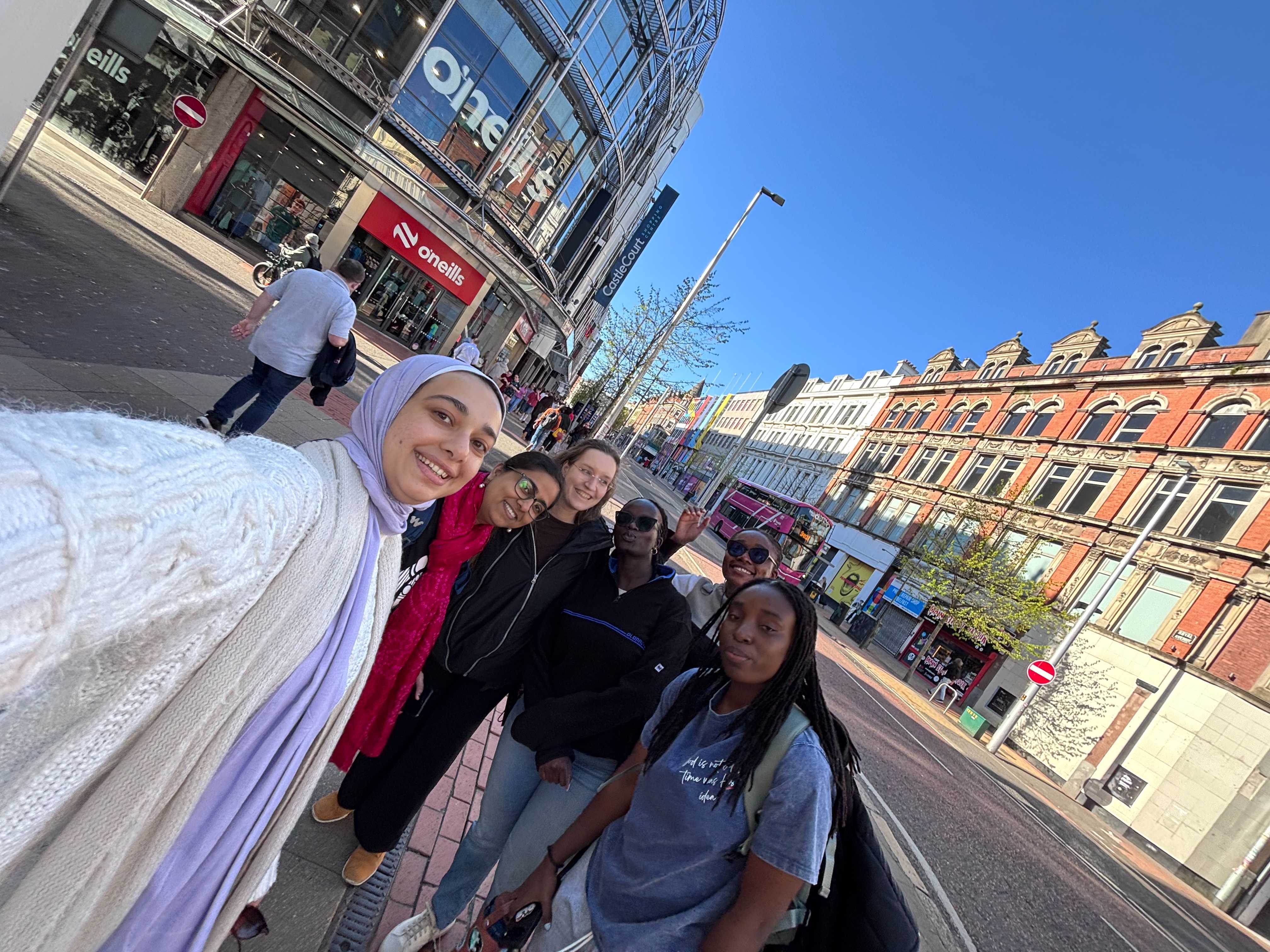
Between OSPARK and CW26, I spent a couple of days in Scotland visiting a friend who is currently doing her PhD at the University of Glasgow. It was my first time in Scotland, so I took the opportunity to visit Edinburgh and spend some time exploring the city before heading back to Glasgow. I also got to catch up with a few Kenyan friends living there, which was a nice reminder of how small the world can feel sometimes. It was a welcome break before returning to Belfast for CW26.
CW26
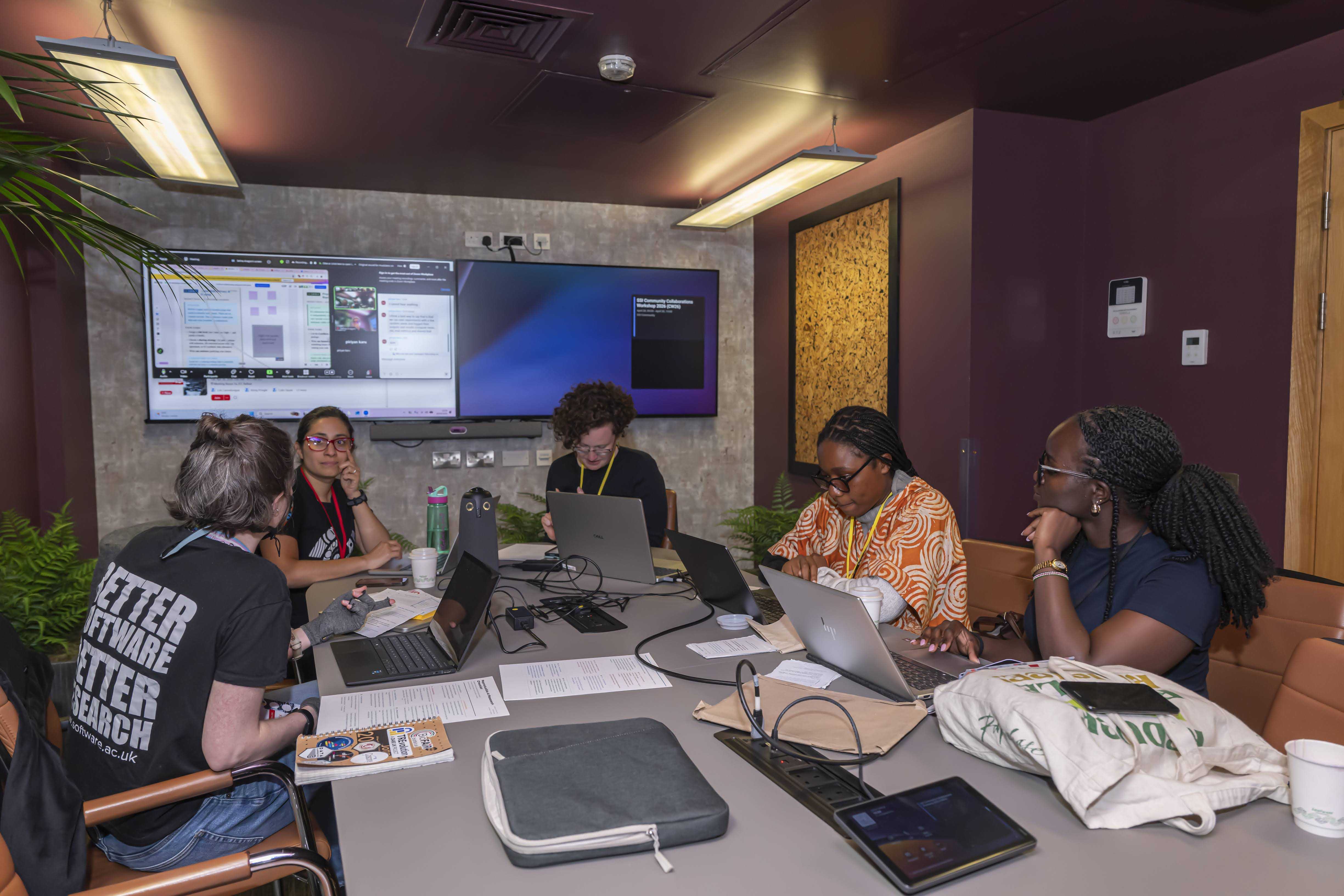
I then returned to Belfast for the Software Sustainability Institute’s Collaborations Workshop (CW26). Unlike most conferences, CW is built around discussions, workshops, and collaboration. This year’s theme was Strengthening the Research Software Community, bringing together researchers, software developers, community managers, funders, and others interested in making research software more sustainable.
One of the highlights for me was finally meeting Malvika Sharan in person after years of interacting online. Her keynote focused on the role of community in research and open science, something that resonated strongly with me, given that some of the work I do is community-based.
I also gave a lightning talk about the Bioinformatics Hub of Kenya Initiative (BHKi). I shared how BHKi has grown to more than 600 members despite operating in an environment where funding and infrastructure can be difficult to come by. The talk focused on the collaborative model we developed with OpenScienceKE and some of the lessons we have learnt over the years. What I enjoyed most were the conversations afterwards. Several people wanted to know more about the model and whether parts of it could work in their own communities.
Another highlight was co-delivering an escape-room-style workshop with Precious Onyewuchi. Precious led much of the design, while I helped facilitate the session. It was great to see participants fully engage with the activity and work through the challenges together.
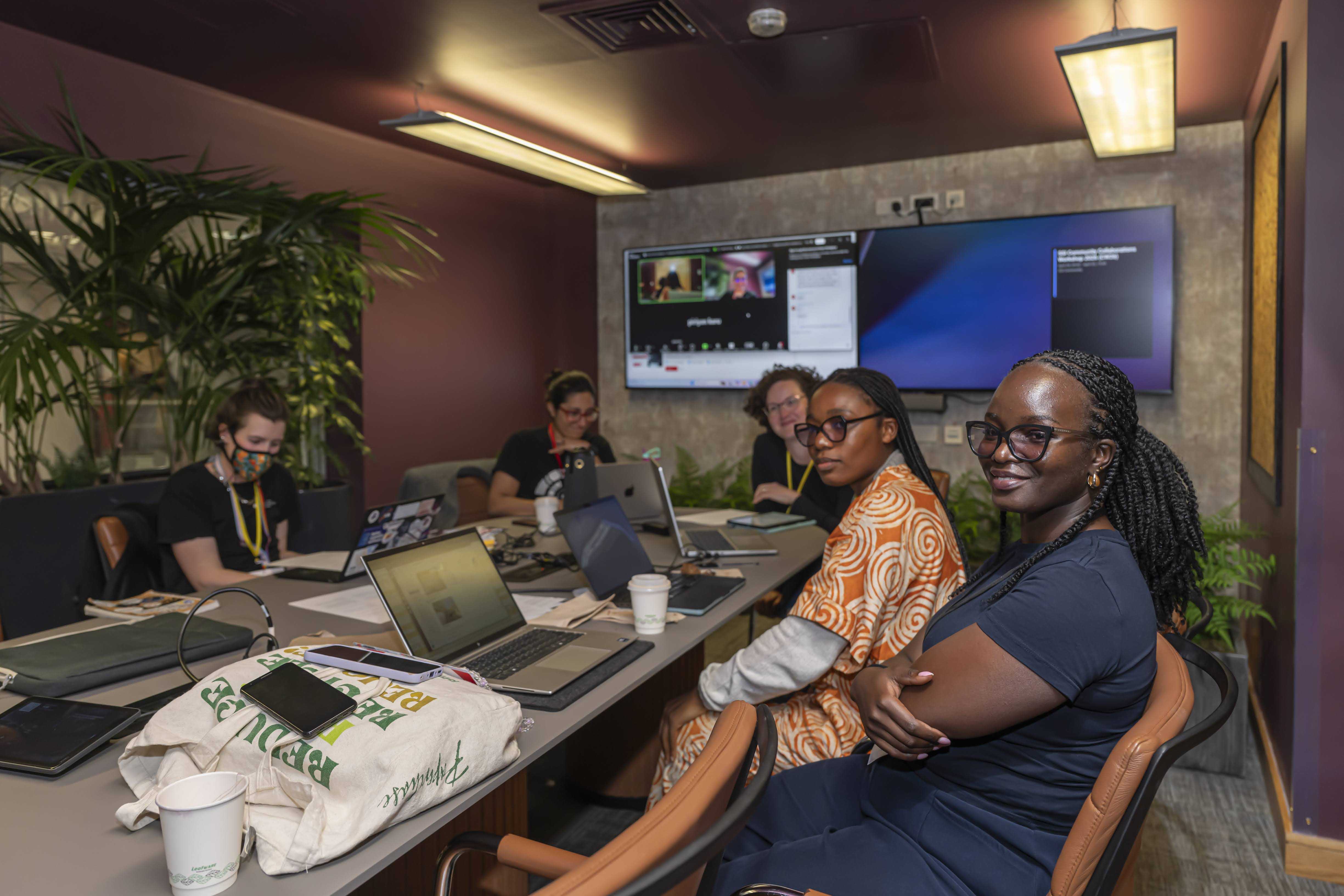
Although OSPARK and CW26 had very different goals, I found myself thinking about many of the same things throughout the week. OSPARK challenged me to think more deliberately about communication, while CW26 reinforced the importance of community. Given the work I do with BHKi, Bioconductor, OLS, and DSWB, both felt particularly relevant and I am grateful for the opportunity I was accorded to attend both events.