Seeds to Systems is a cohort-based training and mentoring programme centred on organisational infrastructure for the sustainability of open research projects and communities. Each week, we share what the cohort sessions covered and some insights and questions they raised.
This week’s sessions
- Session 1: Welcome: We kicked off the cohort by getting to know the teams and their projects, introducing how the programme will work, and opening a first conversation about what project and community sustainability means across very different contexts.
- Session 2: Reading funding calls: We reflected on how reading funding calls is a skill often learned implicitly, and practised approaching a call as part of a wider network of documents, such as eligibility and evaluation criteria or guidance for applicants, to understand what funders expect beyond what they state explicitly.
Insights and emerging questions
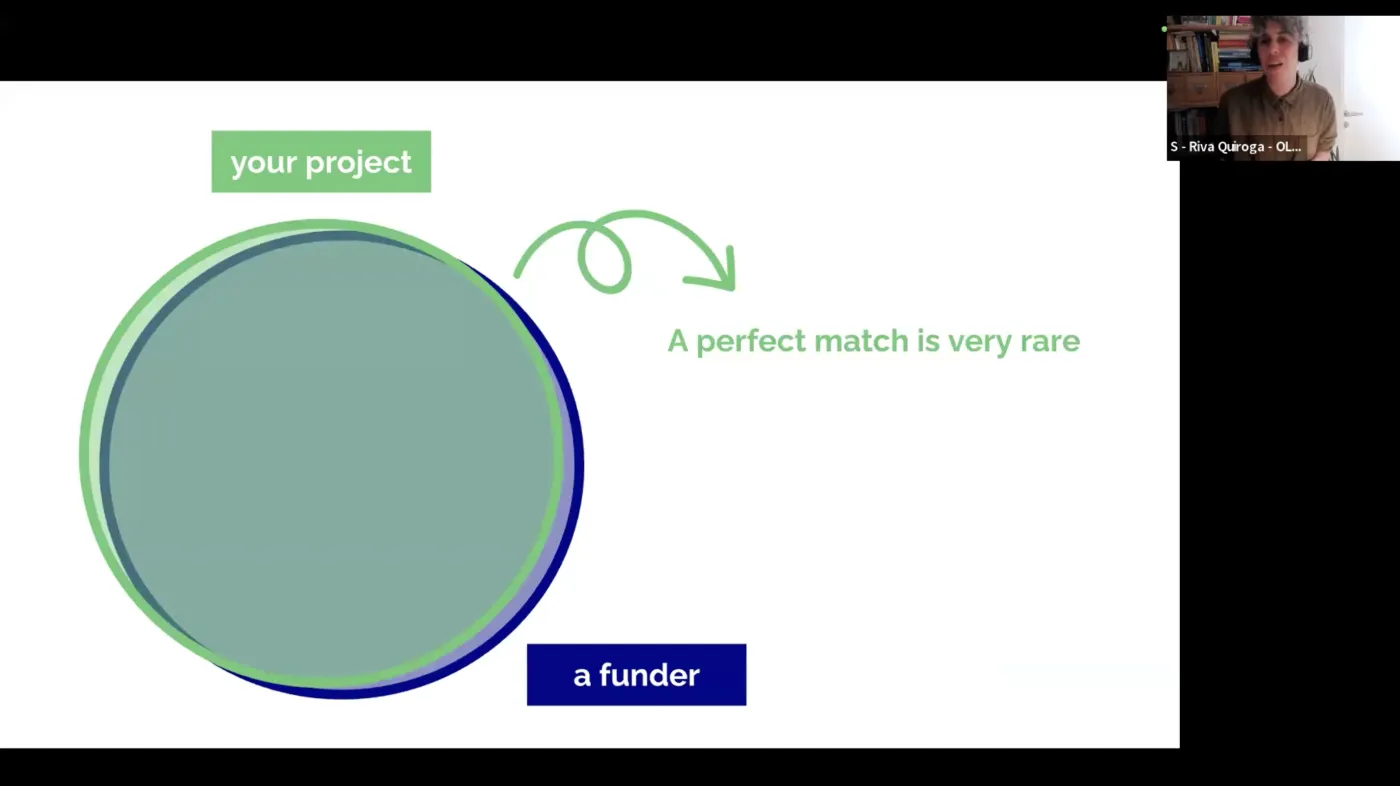
When teams shared what sustainability means for their projects in our first session, funding came up often, but rarely on its own. Many described sustainability as building something that can continue beyond the people who started it, whether that means surviving leadership transitions, growing beyond a core team or a host institution, or keeping going after a particular funding stream ends. Others pointed out that sustainability is as much human as financial: much of the work that keeps open research communities going happens alongside people’s main jobs, often unpaid, and depends on keeping volunteers engaged without burning out the core team. Several teams also noted that funding tends to support the research itself, but not the community work behind it, such as governance or keeping volunteers engaged. Our second session echoed this from another angle. A funding call rarely matches a whole project: more often, it supports one part of it, and part of the work in reading a call is recognising where the project and the funder’s priorities already align. That kind of reading is itself a skill that most of us learn implicitly. Unlike research papers, for example, which some of us learn to write by first reading many of them, successful proposals are seldom available, formats change from funder to funder, and understanding what a call actually asks for often means connecting information across several documents. Feeling “in the dark” when starting to apply for funding is therefore a common experience, shaped by access to examples, mentors, networks, and time. Reading a call together also showed how much a single reader can miss, and how much we gain from making sense of these documents collectively. These conversations also left us with some open questions:
- Sustainability often becomes a question when something changes: people leave, funding ends, or the community grows. How can we start thinking about it before that happens?
- Reading a call and connecting all its related documents takes time: is that time accounted for when we plan an application? Who can afford it?
- Having more applications openly available could help other projects and communities learn how to apply, including from those that were not funded. But is everyone in a position to share those?
Resources
Session recordings and slides will be published on the Seeds to Systems resources page. To go deeper into this week’s topics, you can also explore these links shared during the sessions:
- Some examples of funding applications that are openly available:
What’s next
Next week, we’ll turn to collaboration. We’ll explore the different relationships we call “collaboration” and how naming them can help teams build shared agreements, as well as how stakeholder mapping can support decision-making and strategy. We’ll also rethink how equity is addressed in open science funding, and hear from a panel of guests about building partnerships and trust across different contexts.